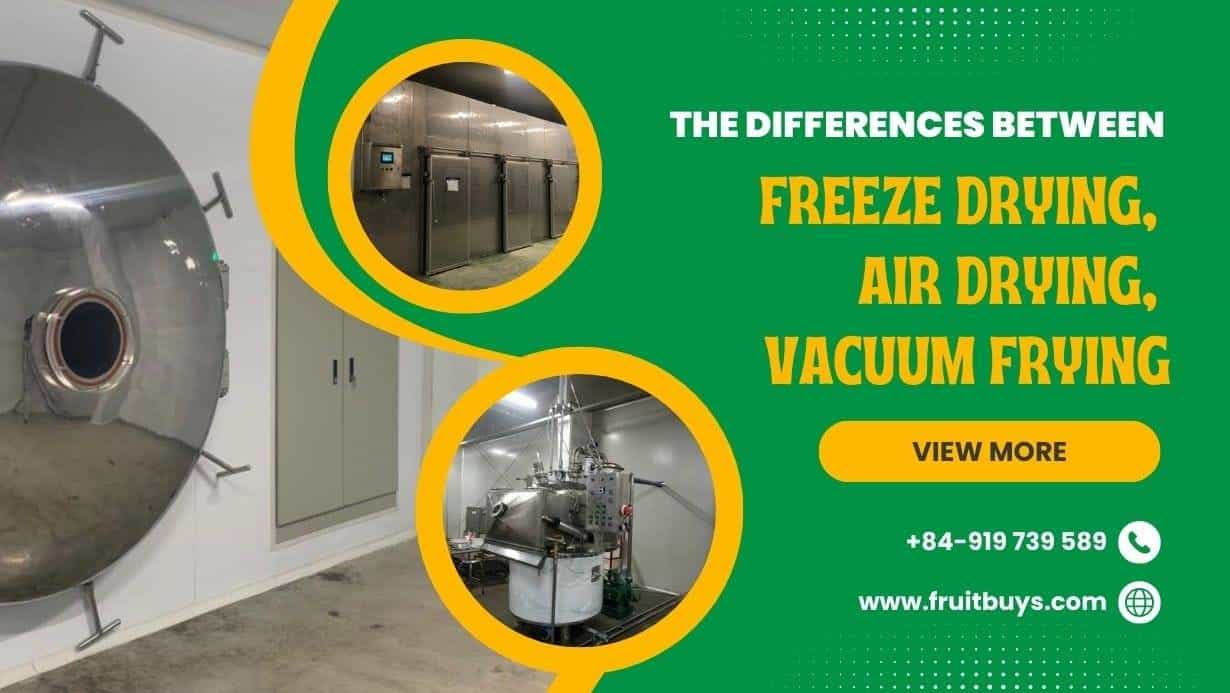
Drying pineapple is a process that involves removing water from the fruit to extend its shelf life and enhance its flavor and texture. However, not all drying methods are the same. Different drying techniques can have different effects on the quality of dried pineapple.
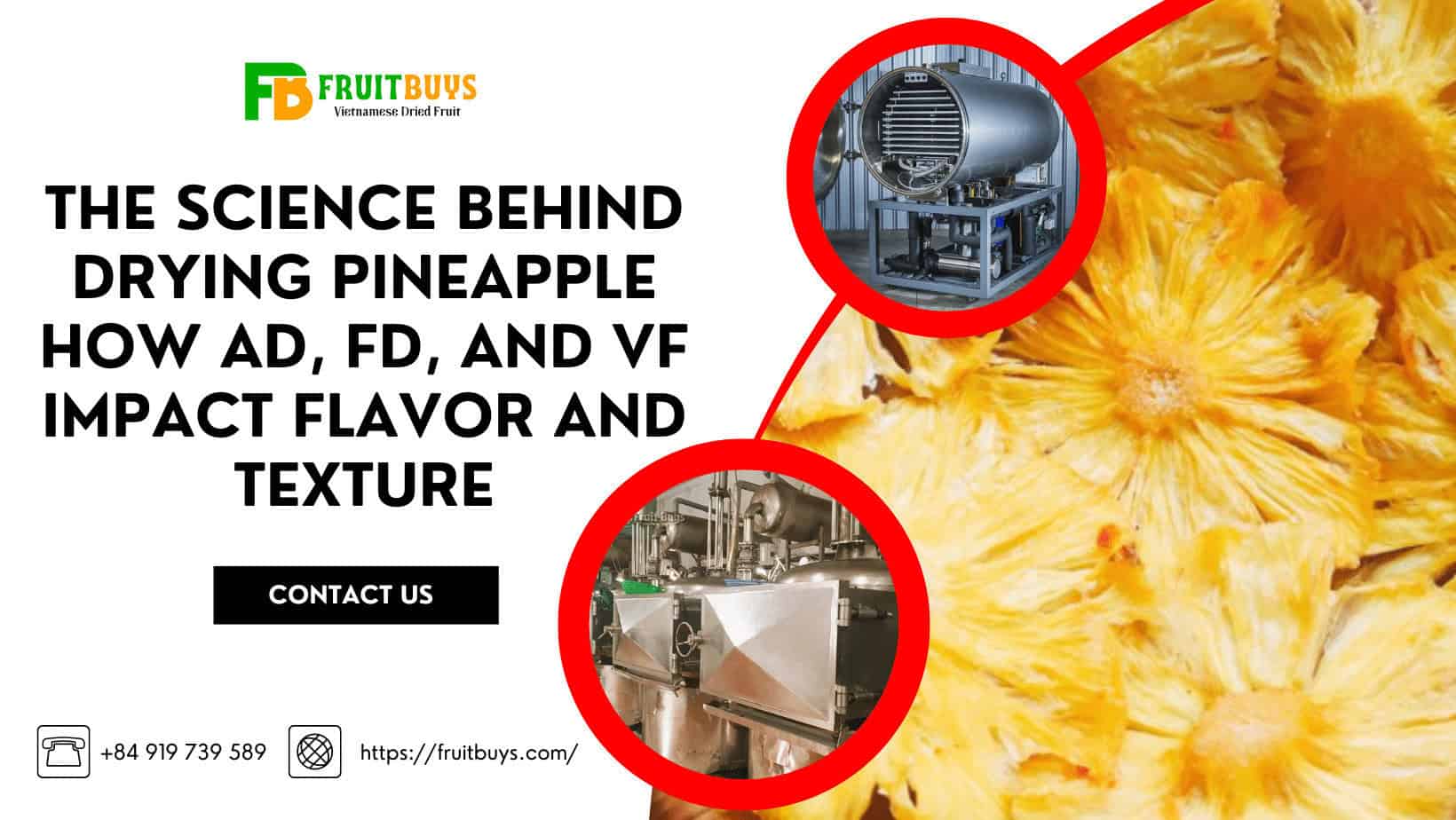
The Science Behind Drying Pineapple How AD, FD, And VF Impact Flavor And Texture
In this article, we will explore the science behind three common drying techniques: Air Drying (AD), Freeze Drying (FD), and Vacuum Frying (VF). We will explain how each technique works, what are its benefits and drawbacks, and how it impacts the flavor and texture of dried pineapple. We will also introduce you to FruitBuys Vietnam, a trusted wholesale supplier of premium dried fruits and healthy snacks. They use advanced drying technologies to produce high-quality dried pineapple and other products at competitive prices.
I. Air Drying (AD)
Air Drying (AD) is a technique that uses hot air to dry the pineapple slices at low temperatures. This technique retains the natural sweetness and texture of the fruit. It also preserves most of the nutrients and enzymes of the fresh pineapple.
The principle of AD is based on the evaporation of water from the surface of the fruit by applying hot air. The temperature of the air should be higher than the boiling point of water but lower than the browning point of the fruit. The air should also have low humidity to facilitate moisture removal. The drying time depends on the air temperature, velocity, humidity, and thickness of the fruit slices.
The benefits of AD are:
It is a simple and economical method that does not require special equipment or chemicals.
It produces a chewy and sweet dried pineapple that tastes similar to fresh pineapple.
It preserves most of the vitamins, minerals, antioxidants, and enzymes of fresh pineapple.
The drawbacks of AD are:
It is a slow process that can take several hours or days to complete.
It can cause some loss of water-soluble vitamins, such as vitamin C, due to heat exposure or oxidation.
It can result in uneven drying or case hardening if the air temperature or velocity is too high or too low.
II. Freeze Drying (FD)
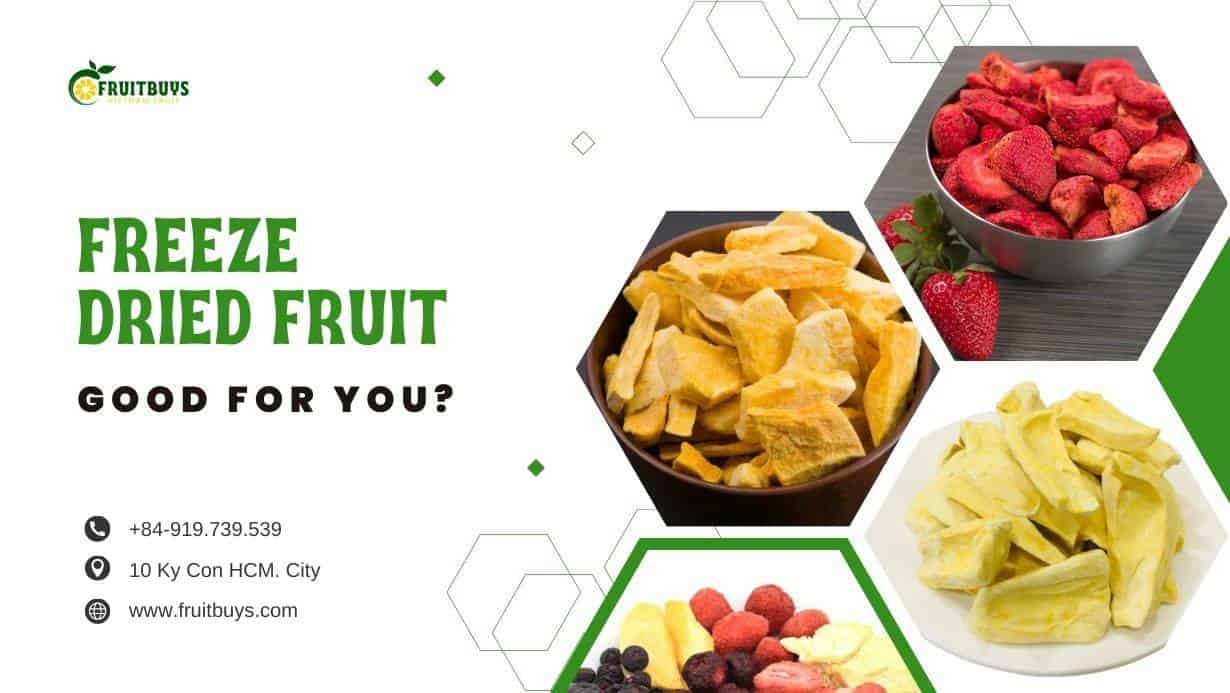
Freeze Drying (FD) is a technique that freezes the pineapple pieces and then sublimates the ice crystals under a vacuum. This technique preserves the shape and structure of the fruit and enhances its crispiness. It also maintains most of the flavor, color, and nutrients of the fresh pineapple.
The principle of FD is based on the sublimation of water from the frozen state to the gaseous state without passing through the liquid state. The fruit pieces are first frozen at low temperatures (below -40°C) to form ice crystals within their cells. Then they are placed in a vacuum chamber where low pressure (below 0.1 bar) is applied. The ice crystals are then removed by applying heat (below 40°C) to create a vapor that is collected by a condenser.
The benefits of FD are:
It is a fast and efficient method that can reduce the moisture content of the fruit to less than 5% in a few hours.
It produces a crispy yet airy dried pineapple that has a concentrated flavor.
It preserves most of the vitamins, minerals, antioxidants, and enzymes of fresh pineapple.
The drawbacks of FD are:
It is an expensive and complex method that requires special equipment and high energy consumption.
It can cause some loss of water-soluble vitamins due to freezing or storage.
It can result in fragile or brittle dried pineapple that can break easily during handling or transportation.
Vacuum Frying (VF) is a technique that fries the pineapple slices under vacuum conditions at low temperatures and pressures. This technique reduces oil absorption and oxidation of the fruit. It also creates a crunchy texture and a caramelized flavor.
The principle of VF is based on the frying of fruit slices in hot oil under reduced pressure. The fruit slices are first dipped in a coating solution (such as sugar syrup or starch solution) to prevent sticking or burning. Then they are placed in a vacuum fryer where oil temperature (below 120°C) and pressure (below 6 kPa) are controlled. The water in the fruit slices is vaporized by the hot oil and removed by a vacuum pump.
The benefits of VF are:
It is a novel and innovative method that can produce unique products with different flavors and textures.
It produces a crunchy and savory dried pineapple that has a caramelized flavor.
It reduces oil absorption and oxidation of the fruit, which can improve the shelf life and nutritional value.
The drawbacks of VF are:
It is a relatively new and unexplored method that requires further research and development.
It can cause some loss of nutrients and enzymes due to frying or coating.
It can result in high-calorie or high-fat dried pineapple that may not be suitable for some consumers.
IV. How to Choose the Best Drying Method for Your Dried Pineapple
Depending on your preferences and needs, you may choose different drying methods for your dried pineapple. Here are some guidelines on how to choose the best drying method for your dried pineapple based on flavor and texture preferences.
If you want a traditional chewy experience that resembles fresh pineapple, you should choose AD dried pineapple. AD dried pineapple is suitable for snacking, baking, or adding to trail mix or granola.
If you want a light and crispy texture that has a concentrated flavor, you should choose FD-dried pineapple. FD dried pineapple is suitable for snacking, topping, or blending into smoothies or yogurt.
If you want a unique crunch that has a caramelized flavor, you should choose VF-dried pineapple. VF-dried pineapple is suitable for snacking, dipping, or adding to salads or pizzas.
V. Why Choose FruitBuys Vietnam for Premium Dried Pineapple
Whether you prefer AD, FD, or VF dried pineapple, you can find the best quality and variety at FruitBuys Vietnam. They are a professional wholesale supplier and exporter of premium exotic fruits and healthy snacks, including dried pineapple.
Some of the reasons to choose FruitBuys Vietnam for your dried pineapple needs are:
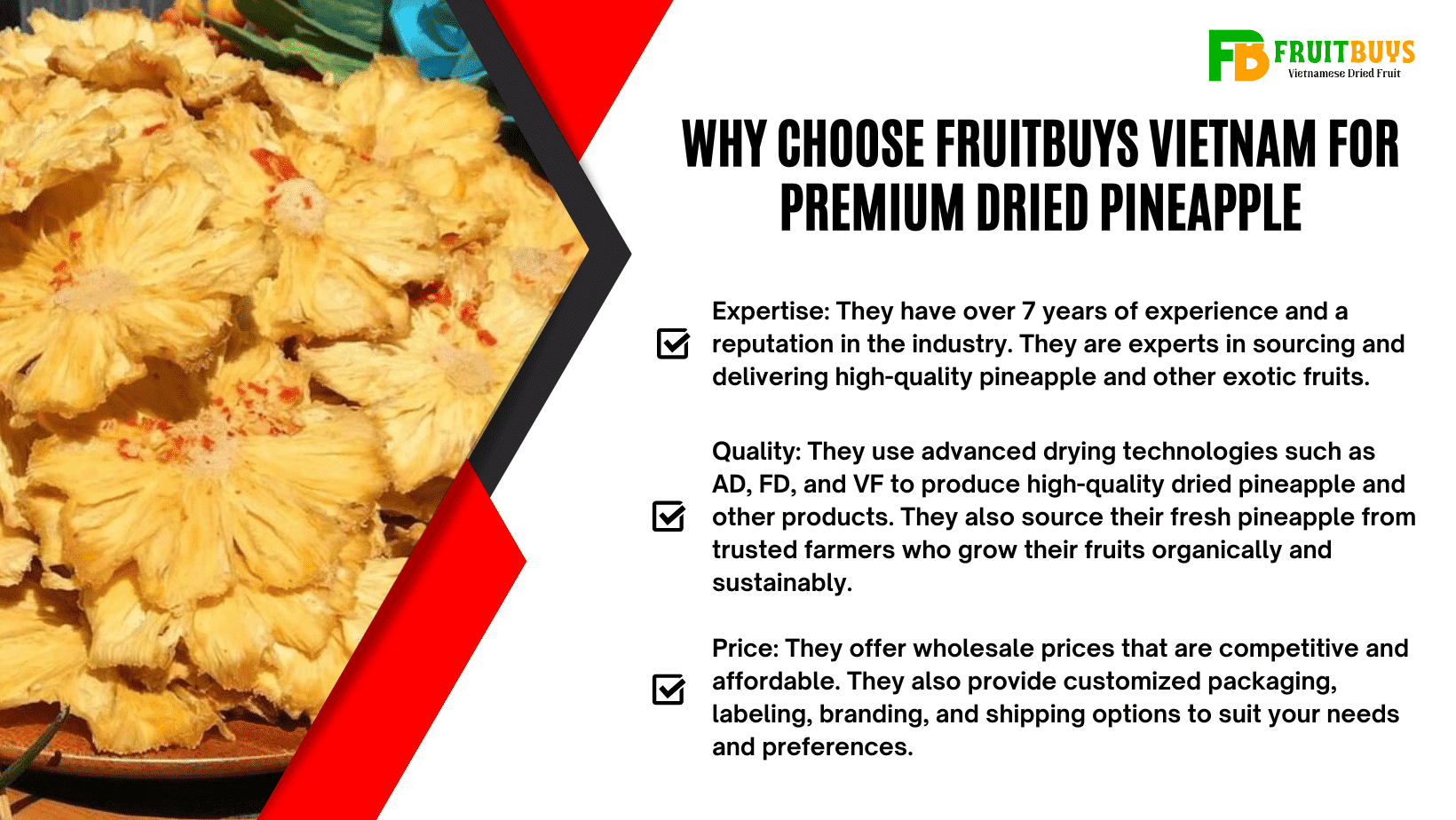
Expertise: They have over 7 years of experience and a reputation in the industry. They are experts in sourcing and delivering high-quality pineapple and other exotic fruits.
Quality: They use advanced drying technologies such as AD, FD, and VF to produce high-quality dried pineapple and other products. They also source their fresh pineapple from trusted farmers who grow their fruits organically and sustainably.
Price: They offer wholesale prices that are competitive and affordable. They also provide customized packaging, labeling, branding, and shipping options to suit your needs and preferences.
Logistics: They have reliable logistics and supplies for their customers. They have a strong network of distributors and retailers worldwide who trust their products and services.
Why Choose FruitBuys Vietnam For Premium Dried Pineapple
VI. Conclusion
Drying pineapple is a process that involves removing water from the fruit to extend its shelf life and enhance its flavor and texture. However, not all drying methods are the same. Different drying techniques can have different effects on the quality of dried pineapple. In this article, we explored the science behind three common drying techniques: AD, FD, and VF. We explained how each technique works, what are its benefits and drawbacks, and how it impacts the flavor and texture of dried pineapple.
We also introduced you to FruitBuys Vietnam, a trusted wholesale supplier of premium dried fruits and healthy snacks. They use advanced drying technologies to produce high-quality dried pineapple and other products at competitive prices. If you want to try their dried pineapple products or learn more about their services, you can visit their website or contact them through their email, phone, or WhatsApp.
Thank you for reading this article on the science behind drying pineapple. We hope you enjoyed it and learned something new. We invite you to explore the variety of dried fruit options offered by FruitBuys Vietnam. Have a great day!
FAQs-People also ask:
How are pineapples dried?
Pineapple can be dried using different methods, such as air drying, freeze drying, or vacuum frying. Each method has its own advantages and disadvantages in terms of quality, cost, and efficiency.
What is the chemistry behind pineapple?
Pineapple is a complex fruit that contains various chemical compounds, such as sugars, acids, vitamins, minerals, antioxidants, and enzymes. These compounds contribute to the flavor, color, texture, and nutritional value of pineapple.
Does dried pineapple still have enzymes?
Dried pineapple may still have some enzymes, depending on the drying method used. Some methods, such as air drying or freeze drying, can preserve most of the enzymes in pineapple. However, some methods, such as vacuum frying, can reduce or destroy the enzymes due to high temperatures or pressures.
Why is dried pineapple so good?
Dried pineapple is a delicious and nutritious snack that can offer many health benefits. It can provide vitamins, minerals, fiber, and antioxidants that can boost your immune system, digestion, and skin health. It can also satisfy your sweet tooth and curb your appetite.
#driedpineapple
#exoticfruits
#healthysnacks
#fruitbuysvietnam
#airdrying
#freezedrying
#vacuumfrying
#pineapplechemistry
#pineappleenzymes
#driedfruitbenefits
Newsletter Updates
Enter your email address below and subscribe to our newsletter