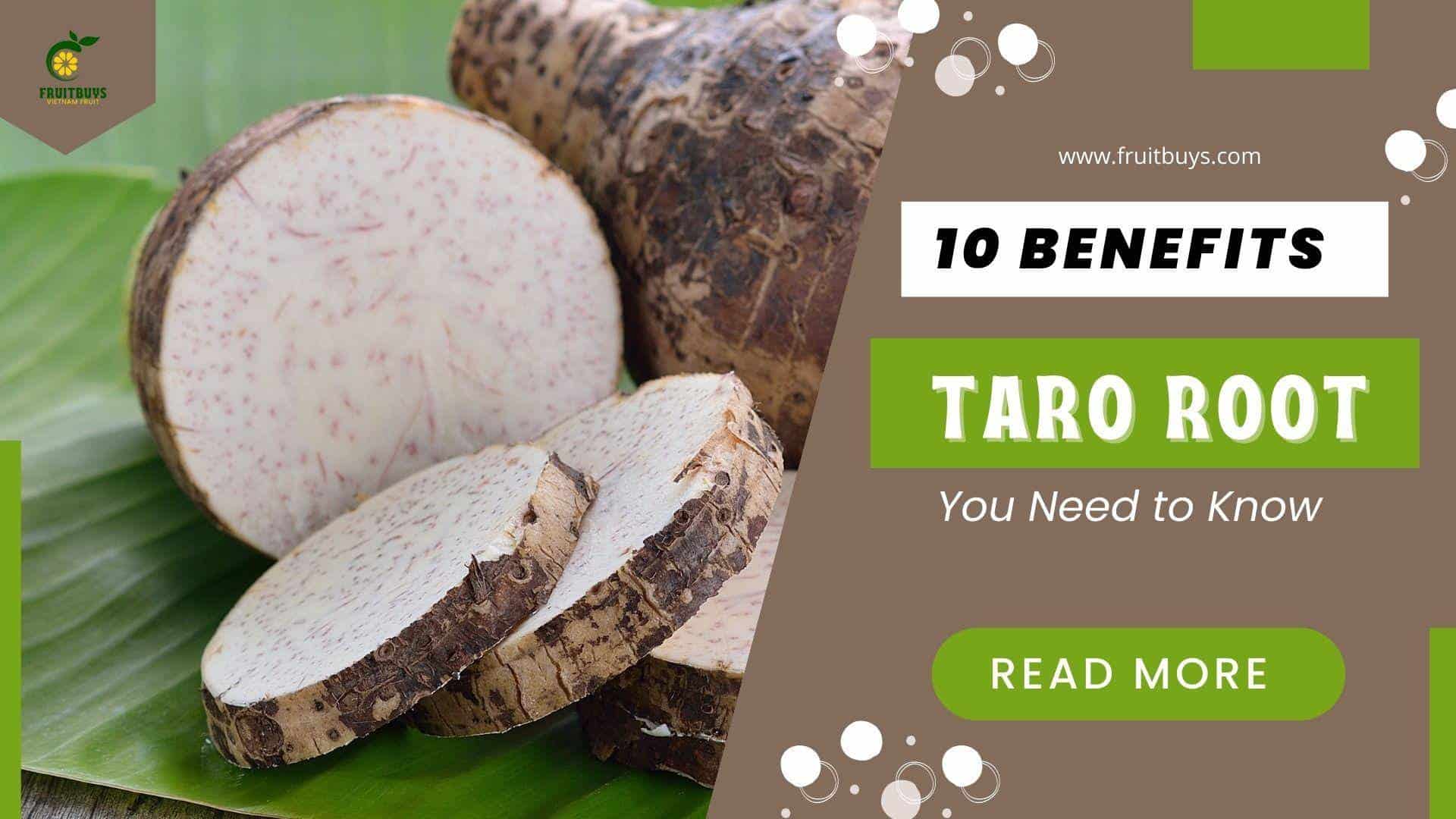
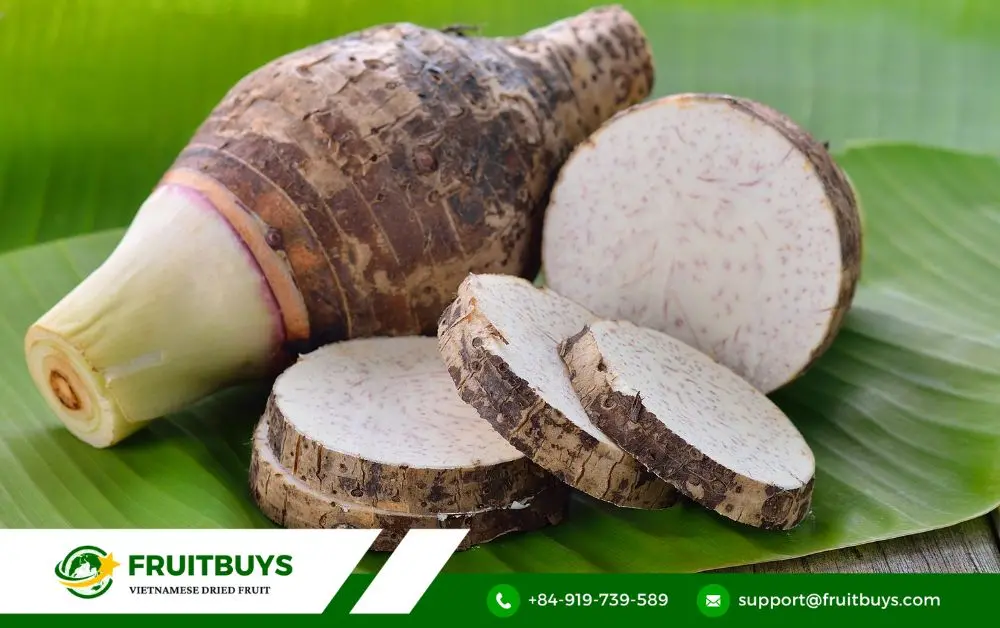
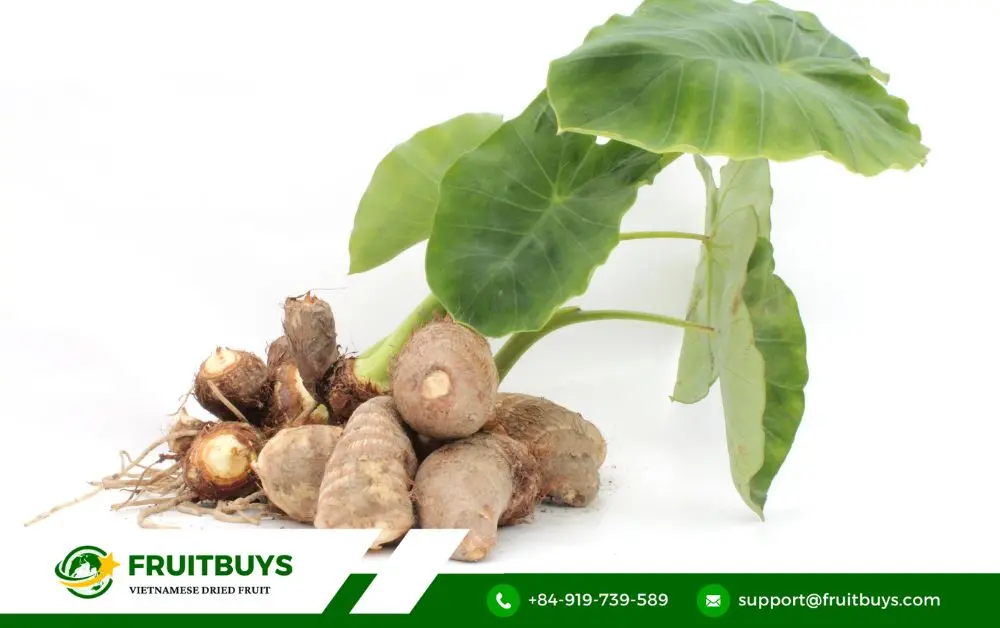
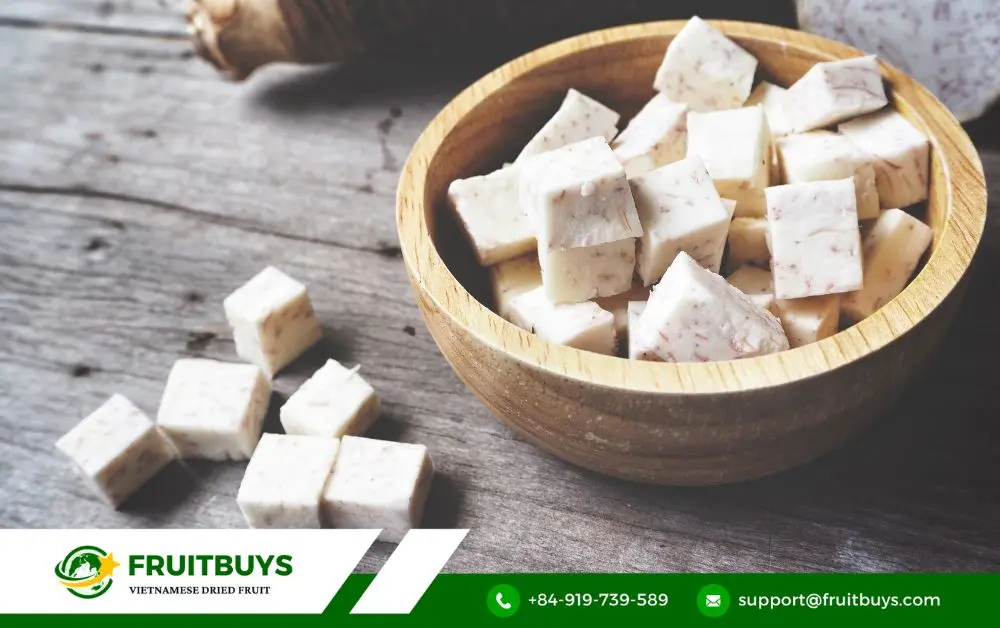
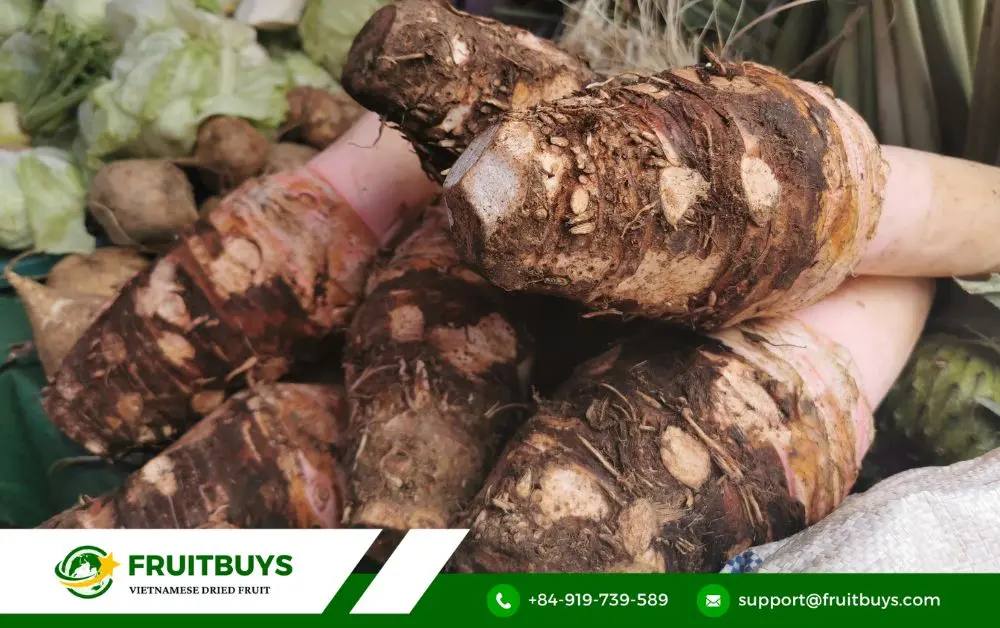
Taro root is a starchy root vegetable that originated in Asia but is now widely consumed around the world. It has brown skin and white flesh with purple specks that give it a unique appearance. Taro root has a mildly sweet taste and a texture similar to potato when cooked. But taro root is more than just a delicious and versatile ingredient. It also offers many health benefits that you may not be aware of. In this article, we will explore 10 surprising health benefits of taro root that you need to know from FruitBuys Vietnam. We will cover topics such as:
What are the nutritional benefits of taro root?
How does taro root compare to other vegetables in terms of nutrition?
Can taro root be used in a weight loss diet?
How can taro root be used as a natural skin treatment?
Is taro root beneficial for hair?
How does taro root impact blood sugar levels?
What is the caloric value of taro root?
How does the taste of taro root compare to potato?
Can taro root be used as a healthier alternative to potatoes?
What is the recipe for making taro root chips?
By the end of this article, you will have a better understanding of why taro root is such a valuable addition to your diet and how you can enjoy it in various ways.
Taro root is a starchy root vegetable that originated in Asia but is now widely consumed around the world. It has brown skin and white flesh with purple specks, and a mildly sweet taste and texture similar to potato when cooked. Taro root is not only delicious but also nutritious, as it provides many health benefits due to its fiber and antioxidant content.
*A detailed explanation of the nutritional value of taro root
According to the USDA, one cup (132 grams) of cooked taro root contains 187 calories, 0.6 grams of fat, 0.9 grams of protein, 45.7 grams of carbohydrates, and 6.7 grams of dietary fiber. It also provides significant amounts of several vitamins and minerals, such as:
Vitamin C is another antioxidant that boosts immune system function and collagen production. Phosphorus is a component of bones, teeth, DNA, and ATP. Magnesium is involved in over 300 enzymatic reactions in the body, including energy production, muscle contraction, and nerve transmission.
*Comparison of the nutritional value of taro root with other vegetables
Taro root has some unique nutritional advantages over other vegetables. For instance:
Taro root has more vitamin E than sweet potatoes: Vitamin E may help prevent or delay chronic diseases such as cardiovasculardisease, cancer, and Alzheimer’s disease by reducing inflammation and oxidative stress.
Taro root has more vitamin B6 than carrots: Vitamin B6 may help prevent or treat conditions such as anemia, depression, and premenstrual syndrome by supporting hemoglobin synthesis, serotonin production, and hormone regulation.
Taro root has more manganese than spinach: Manganese may help prevent or treat osteoporosis, diabetes, and epilepsy by enhancing bone mineral density, insulin sensitivity, and glutamate metabolism.
*Explanation of how taro root fits into a balanced diet
Taro root can be a healthy addition to any balanced diet because it provides complex carbohydrates, fiber, antioxidants, and essential micronutrients that support various aspects of health. However, taro root should be consumed in moderation because it also contains some antinutrients such as oxalates and lectins that can interfere with mineral absorption or cause digestive issues if eaten raw or in large amounts. Therefore, it is recommended to peel, cook, and soak taro root before eating it to reduce its antinutrient content. Taro root can be prepared in many different ways such as boiled, baked, fried, or mashed.
It can be used as a substitute for potatoes or other starchy vegetables in dishes such as soups, stews, curries, salads, or casseroles. It can also be made into flour, chips, or bread for a gluten-free alternative. Taro root can be enjoyed on its own or in combination with other foods such as meat, fish, eggs, cheese, nuts, seeds, fruit, or vegetables to create a well-balanced meal that provides adequate protein, fats, carbohydrates, fiber, vitamins, minerals, and antioxidants.
III. Health Benefits of Taro Root
*Overview of the numerous health benefits of taro root
Taro root is a starchy root vegetable that originated in Asia but is now widely consumed around the world. It has brown skin and white flesh with purple specks, and a mildly sweet taste and texture similar to potato when cooked. Taro root is not only delicious but also nutritious, as it provides a good source of fiber, vitamins, minerals, and antioxidants that can benefit your health in various ways. Some of the health benefits of taro root include:
Promoting blood circulation and health
Keeping your skin healthy
Supporting digestive health
Helping with diabetes management and prevention
Improving heart health
Bolstering immunity
Maintaining optimum eye health and vision
Strengthening bones and teeth
In this article, we will explain each of these benefits in more detail and provide some scientific evidence to support them.
*Promotes blood circulation and health
Taro root contains a high amount of manganese, which is an essential mineral for blood clotting, wound healing, and metabolism. Manganese also helps activate enzymes that are involved in producing energy from carbohydrates and proteins. One cup (132 grams) of cooked taro root provides 30% of the daily value (DV) for manganese. Taro root also contains vitamin B6, which is important for red blood cell production and hemoglobin synthesis. Hemoglobin is a protein that carries oxygen throughout your body. Vitamin B6 also helps regulate homocysteine levels, which are associated with an increased risk of cardiovascular disease. One cup (132 grams) of cooked taro root provides 22% of the DV for vitamin B6.
*Keeps your skin healthy
Taro root is rich in vitamin E, which is a fat-soluble antioxidant that protects your skin cells from oxidative damage caused by free radicals. Free radicals are unstable molecules that can cause inflammation, aging, and diseases. Vitamin E also helps maintain skin moisture and elasticity by preventing water loss from the epidermis. One cup (132 grams) of cooked taro root provides 19% of the DV for vitamin E. Taro root also contains vitamin C, which is another antioxidant that boosts collagen synthesis and wound healing. Collagen is a protein that gives structure and strength to your skin tissues. Vitamin C also helps prevent scurvy, a disease characterized by bleeding gums, loose teeth, and poor wound healing due to vitamin C deficiency. One cup (132 grams) of cooked taro root provides 11% of the DV for vitamin C.
*Supports digestive health
Taro root has more than twice as much fiber as potatoes. Dietary fiber improves digestive function and can relieve issues like constipation, diarrhea, stomach ulcers, and acid reflux. Fiber also helps slow down digestion and absorption of other carbs, preventing large blood sugar spikes after meals. Studies have found that high-fiber diets — containing up to 42 grams per day — can reduce blood sugar levels by roughly 10 mg/dl in people with type 2 diabetes.
Taro root contains more than 6 grams of fiber per cup (132 grams) — more than twice the amount found in a comparable 138-gram serving of potatoes — making it an excellent source of fiber. Taro root also contains resistant starch, which is a type of carbohydrate that humans cannot digest but acts as food for beneficial bacteria in your gut. Resistant starch can improve gut health by increasing short-chain fatty acid production, lowering pH levels, enhancing mineral absorption, and modulating immune function.
Roughly 12% of the starch in cooked taro root is resistant starch, making it one of the better sources of this nutrient. This combination of fiber and resistant starch makes taro root a good carb option — especially for people with diabetes.
IV. Taro Root vs. Potato
Taro root and potato are both starchy root vegetables that can be used in similar ways. However, they have some notable differences in their nutritional value, taste, and texture. In this blog post, we will compare these two tubers and explain why taro root is a healthier alternative to potatoes.
*Comparison of the nutritional value of taro root and potato
According to Food Struct, one cup (132 grams) of cooked taro root has 187 calories, 1.5 grams of protein, 0.2 grams of fat, and 26.46 grams of carbohydrates (6.7 grams of which are fiber). It also provides 30% of the daily value (DV) for manganese, 22% for vitamin B6, 19% for vitamin E, 18% for potassium, and 13% for copper. One cup (138 grams) of cooked potato with skin has 160 calories, 2.5 grams of protein, 0.13 grams of fat, and 21.15 grams of carbohydrates (4 grams of which are fiber).
It also provides 41% of the DV for vitamin C, 27% for vitamin B3 (niacin), 23% for vitamin B5 (pantothenic acid), and 10% for iron. As you can see, taro root has more calories than potatoes but also more fiber and resistant starch, which can help control blood sugar levels and lower cholesterol levels. Taro root also has more vitamin E, which is an antioxidant that protects cells from oxidative damage. Moreover, taro root has more calcium, magnesium, and phosphorus, which are important minerals for bone health.
Potato has more vitamin C than taro root but this advantage may be lost during cooking as vitamin C is sensitive to heat. Potato also has more iron than taro root but this may not be very bioavailable as it is non-heme iron from plant sources. Furthermore, the potato has a higher glycemic index than taro root meaning it raises blood sugar levels faster after eating.
*Comparison of the taste and texture of taro root and potato
Taro root has a mildly sweet taste that resembles chestnuts or sweet potatoes when cooked. It has white flesh with purple specks throughout that turn grayish when cooked. It has a smooth and creamy texture that can be mashed or pureed easily. Potato has a neutral taste that adapts well to different seasonings when cooked. It has a yellow or white flesh that turns soft when cooked depending on the variety. It has a fluffy or starchy texture that can be boiled or baked. Both taro root and potato can be used interchangeably in many recipes such as soups, stews, curries, or fries but they may require different cooking times as taro root takes longer to cook than potato due to its higher density.
*Why taro root is a healthier alternative to potato
Based on the comparison above we can conclude that taro root is a healthier alternative to potato because of it:
Has more fiber and resistant starch which can improve blood sugar management
Has a lower glycemic index which can prevent blood sugar spikes
Therefore if you are looking for a nutritious starchy vegetable that can offer some unique benefits you may want to give taro root a try.
V. Taro Root Benefits for Skin
Taro root is not only a nutritious and delicious food, but also a natural skincare ingredient. Taro root contains antioxidants, vitamins, minerals, and phytochemicals that can help improve the health and appearance of your skin. Here are some of the skin benefits of taro root and how you can use it as a natural skin treatment.
Taro root can help moisturize and hydrate your skin: Taro root has a high water content and can retain moisture well. You can apply mashed taro root on your face as a mask to hydrate your dry or dull skin. Leave it on for 15 minutes and rinse off with lukewarm water.
Taro root can help reduce inflammation and irritation on your skin: Taro root has anti-inflammatory properties that can soothe your skin from redness, itching, or swelling. You can apply taro root juice on your affected areas to calm your inflamed skin. You can also mix taro root juice with honey or yogurt for extra benefits.
Taro root can help prevent and treat acne on your skin: Taro root has antibacterial and antifungal properties that can fight against acne-causing bacteria and fungi. You can apply taro root paste on your pimples to dry them out and heal them faster. You can also consume taro root regularly to detoxify your body and prevent acne breakouts.
Taro root can help brighten and even out your skin tone: Taro root contains vitamin C, which is a natural skin-lightening agent that can reduce hyperpigmentation, dark spots, or scars on your skin. You can apply taro root extract to your dark areas to lighten them gradually. You can also mix taro root extract with lemon juice or turmeric for extra effects.
Taro root can help slow down the signs of aging on your skin: Taro root contains antioxidants that can protect your skin from free radical damage that causes wrinkles, sagging, or age spots on your skin. You can apply taro root cream on your face to nourish and rejuvenate your aging skin. You can also eat taro root regularly to boost collagen production and elasticity in your skin.
There are many scientific studies that support the skin benefits of taro root. For example, a study published in the Journal of Ethnopharmacology in 2014 found that taro extract had anti-inflammatory, antioxidant, and wound-healing effects on rat models. Another study published in the Journal of Medicinal Plants Research in 2012 found that taro extract had antibacterial activity against Staphylococcus aureus, which is one of the main causes of acne. Taro root is a versatile and beneficial ingredient for your skincare routine. You can use it in various ways to improve the health and beauty of your skin naturally.
VI. Taro Root and Diabetes
Taro root is a starchy vegetable that has been consumed for thousands of years in many parts of the world. It is rich in fiber, potassium, vitamin C, and antioxidants. But what is its impact on blood sugar levels and diabetes? Taro root has a low glycemic index (GI), which means it does not cause a rapid spike in blood glucose after eating. It also contains resistant starch, which is a type of carbohydrate that resists digestion and acts like fiber in the gut.
Resistant starch can help lower blood sugar levels by slowing down the absorption of glucose and improving insulin sensitivity. Taro root can be incorporated into a diabetes-friendly diet as a substitute for other high-GI foods such as white rice, potatoes, or bread. It can be boiled, baked, roasted, mashed, or fried. However, it is important to note that taro root contains oxalates, which are compounds that can form kidney stones in some people.
Therefore, it is advisable to limit the intake of taro root to no more than one cup per day and drink plenty of water to flush out the oxalates. There is some scientific evidence that supports the use of taro root in managing diabetes. For example, a study conducted in 2016 found that taro extracts reduced blood glucose levels and oxidative stress in diabetic rats. Another study published in 2019 showed that taro corm flour improved glycemic control and lipid profile in patients with type 2 diabetes.
In conclusion, taro root is a nutritious and low-GI food that can benefit people with diabetes by helping them regulate their blood sugar levels and prevent complications. However, it should be consumed in moderation and with caution by those who are prone to kidney stones.
VII. Taro Root Calories
Taro root is a starchy vegetable that originated in Asia but is now widely consumed around the world. It has a mild and nutty flavor and can be used in various dishes, both savory and sweet. But how many calories does taro root have and how does it compare to other common foods? According to the USDA, one cup (132 grams) of cooked taro root has 187 calories. Most of these calories come from carbohydrates (45 grams), followed by protein (0.9 grams) and fat (0.2 grams).
Taro root also provides 6.7 grams of fiber, which is about 27% of the daily value. Compared to other starchy vegetables, taro root has more calories than potatoes (138 calories per cup), but less than sweet potatoes (180 calories per cup) or yams (177 calories per cup). However, taro root also has more fiber than these vegetables, which can help you feel fuller and support your digestion. Taro root also contains many vitamins and minerals that are essential for your health.
One cup of cooked taro root provides 30% of the daily value for manganese, 22% for vitamin B6, 19% for vitamin E, 18% for potassium, 13% for copper, 11% for vitamin C, and 10% for phosphorus and magnesium. These nutrients can help with your metabolism, bone health, blood pressure, immune system function, and more. If you want to include taro root in your calorie-controlled diet, you can use it as a substitute for other starchy foods like rice or pasta.
You can also bake it into chips or fries as a healthier alternative to potato chips or french fries. You can also mash it with some milk and butter or coconut milk for a creamy side dish. However, if you choose to enjoy taro root, make sure you cook it well before eating it, as raw taro root contains oxalates that can irritate your mouth and throat. Also, be mindful of your portion size and what you add to your taro root dishes, as these factors can affect the total calorie count.
Taro root is a nutritious and versatile vegetable that can add variety and flavor to your diet. It has more calories than some other starchy vegetables, but it also has more fiber and other beneficial nutrients. You can enjoy taro root in moderation as part of a balanced diet.
VIII. Taro Root for Weight Loss
Taro root is a starchy tuber that is widely consumed in many parts of the world. It has a nutty flavor and a creamy texture that makes it a versatile ingredient for various dishes. But did you know that taro root can also help you lose weight? Here are some ways that taro root can aid in your weight loss journey. First, taro root is high in fiber, which can help you feel full longer and reduce your appetite. Fiber also helps regulate your blood sugar levels and prevent spikes and crashes that can lead to cravings and overeating.
Moreover, fiber can improve your digestion and prevent constipation, which can affect your weight and overall health. Second, taro root is low in calories and fat, but rich in complex carbohydrates that provide you with energy and keep you satisfied. A 100-gram serving of cooked taro root has only 112 calories and 0.2 grams of fat, but 26.5 grams of carbs and 3.9 grams of protein. Taro root also contains resistant starch, which is a type of carb that resists digestion and acts like fiber in your gut. Resistant starch can boost your metabolism, lower your cholesterol levels, and increase your fat burning.
These nutrients can support various functions in your body such as muscle contraction, nerve transmission, blood pressure regulation, bone formation, blood clotting, red blood cell production, DNA synthesis, energy production, hormone synthesis, antioxidant defense, and detoxification.
*How to incorporate taro root into a weight loss diet
There are many ways to enjoy taro root as part of a balanced weight-loss diet. You can boil it steam it roasts it fry it mash it or puree it and use it as a substitute for potatoes rice bread or pasta. You can also add it to soups stews curries salads or casseroles. Or you can make snacks such as chips crackers or cookies from taro flour or flakes. However, you should be careful not to overcook or overeat taro root as it may lose some of its nutritional value or cause bloating or gas. You should also peel off the skin before cooking or eating as it may contain oxalates that can interfere with calcium absorption or cause kidney stones in some people. Furthermore, you should avoid eating raw or undercooked taro root as it may contain toxic compounds called calcium oxalate crystals that can irritate your mouth or throat.
*Scientific research supporting the weight loss benefits of taro root
Several studies have shown that consuming foods high in resistant starch such as taro root can have positive effects on weight loss and metabolic health. For instance,
A study published in the American Journal of Clinical Nutrition found that eating resistant starch increased postprandial thermogenesis (the number of calories burned after a meal) by 23% compared to eating digestible starch.
A study published in Nutrition & Metabolism found that eating resistant starch reduced hunger ratings by 21% compared to eating digestible starch.
A study published in Obesity found that eating resistant starch increased fat oxidation (the amount of fat burned) by 20% compared to eating digestible starch.
A study published in The British Journal of Nutrition found that eating resistant starch improved insulin sensitivity (the ability of cells to respond to insulin) by 33% compared to eating digestible starch.
These findings suggest that adding taro root to your diet may help you burn more calories feel less hungry use more fat as fuel and improve your blood sugar control which is all beneficial for weight loss.
IX. Taro Root Benefits for Hair
Taro root is not only a delicious and nutritious vegetable, but also a natural hair care ingredient that can provide many benefits for your hair health and appearance. In this blog post, we will explore some of the hair benefits of taro root and how you can use it as a natural hair treatment. Taro root contains various nutrients that are essential for hair growth and maintenance, such as vitamin A, vitamin C, vitamin E, iron, zinc, copper, and manganese. These nutrients help to nourish the scalp, stimulate blood circulation, prevent hair loss, and promote hair growth.
Taro root also has anti-inflammatory and antimicrobial properties that can help to reduce scalp inflammation, irritation, and infections. One of the ways to use taro root as a natural hair treatment is to make a taro root mask. To make this mask, you will need:
1/4 cup of peeled and grated taro root
2 tablespoons of coconut oil
1 tablespoon of honey
Mix all the ingredients in a bowl until well combined. Apply the mask to your damp hair from roots to ends. Cover your hair with a shower cap or a towel and leave it on for 20 to 30 minutes. Rinse off with warm water and shampoo as usual. This mask will help to moisturize your hair, add shine and softness, strengthen your hair follicles, and prevent split ends. Another way to use taro root as a natural hair treatment is to make a taro root rinse. To make this rinse, you will need:
2 cups of water
1/4 cup of peeled and chopped taro root
2 teaspoons of apple cider vinegar
Bring the water to a boil in a pot. Add the taro root and simmer for 15 minutes. Strain the liquid and let it cool down. Add the apple cider vinegar and stir well. Use this rinse as a final rinse after shampooing your hair. This rinse will help to balance your scalp pH level, remove product buildup, enhance your natural hair color, and add volume to your hair. There is some scientific research supporting the hair benefits of taro root.
For example: a study published in the Journal of Ethnopharmacology in 2010 found that an extract from taro leaves had significant anti-hair loss activity in mice. Another study published in BMC Complementary Medicine and Therapies in 2019 found that an extract from taro corms had an antioxidant activity that could protect against oxidative stress-induced damage in human keratinocytes. Taro root is a versatile vegetable that can offer many benefits for your hair’s health and beauty. Try these simple recipes at home and enjoy the results!
X. Taro Root Chips Recipe from FruitBuys Vietnam
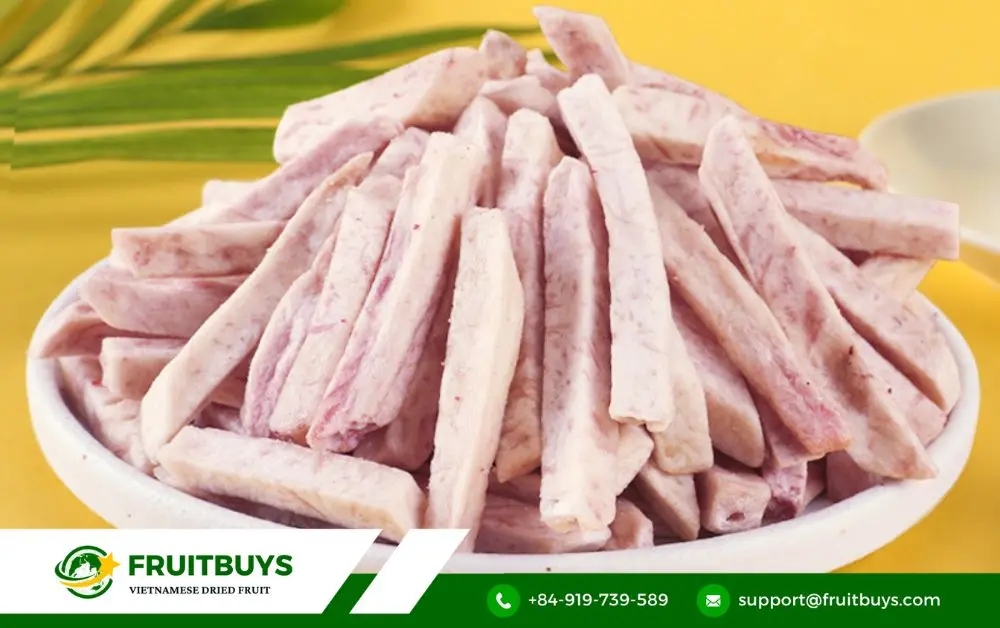
If you love crispy snacks but want to avoid the unhealthy fats and calories of regular potato chips, you might want to try taro root chips. Taro root is a starchy vegetable that grows in tropical and subtropical regions of the world. It has a nutty flavor and a creamy texture when cooked. Taro root chips are made by slicing taro root thinly and frying them in oil under low pressure and temperature. This process is called vacuum frying (VF) and it preserves the natural color, flavor, and nutrients of the taro root while reducing oil absorption and acrylamide formation. In this blog post, we will show you how to make your own taro root chips using vacuum frying technology. You will need:
Fresh taro roots
A vacuum fryer machine
Cooking oil (preferably palm oil)
Salt or other seasonings
*Step-by-step instructions for making taro root chips:
Peel the taro roots and cut them into thin slices (about 2 mm thick). You can use a mandoline or a knife for this step.
Rinse the taro slices under cold water to remove any dirt or starch.
Pat them dry with paper towels or a clean cloth.
Preheat the vacuum fryer machine to 120°C and set the pressure to 0.08 MPa.
Load the taro slices into the basket of the vacuum fryer machine and close the lid.
Start the vacuum frying process and fry for about 15 minutes or until golden brown and crispy.
Release the pressure and open the lid carefully.
Transfer the taro chips to a tray lined with paper towels to drain excess oil.
Sprinkle salt or other seasonings over the taro chips while they are still hot. Enjoy your crispy taro chips!
*Explanation of the health benefits of taro root chips compared to traditional potato chips:
Taro root chips are not only delicious but also nutritious. They have several health benefits compared to traditional potato chips, such as:
They are low in fat, calories, and carbs: One serving (28 g) of taro root chips has only 64 calories, 7 g of fat, and 1 g of carbs, while one serving (28 g) of potato chips has 152 calories, 10 g of fat and 15 g of carbs.
They are high in fiber: One serving (28 g) of taro root chips has 3 g of fiber, which is 12% of your daily value. Fiber helps regulate your digestion, lower your cholesterol levels, and prevent constipation.
They are rich in antioxidants: Taro root contains phenolic compounds that have antioxidant properties. Antioxidants help protect your cells from oxidative stress caused by free radicals.
They are gluten-free: Taro root does not contain gluten, which is a protein found in wheat, barley, and rye. Gluten can cause digestive problems for people who have celiac disease or gluten intolerance.
So next time you crave for a crunchy snack, why not try some homemade taro root chips? You can order fresh taro roots from FruitBuys Vietnam at wholesale prices . We use vacuum frying technology to produce high-quality crispy fruit snacks that are healthy, tasty and affordable.
XI. Conclusion
Taro root is a starchy vegetable that has many health benefits. It is rich in fiber, antioxidants, vitamin C, potassium, and magnesium. It can help lower blood pressure, improve digestion, boost immunity, and prevent constipation. Taro root is also gluten-free and vegan-friendly. But where can you find high-quality taro root products that are crispy, delicious, and nutritious? The answer is FruitBuys Vietnam – A professional OEM Wholesale Supplier and Exporter of Dried Fruits, Nuts, and Vegetables at the Best Prices.
FruitBuys Vietnam is a leading manufacturer of dried fruits and vegetables using Vacuum Drying (VF) technology. This technology preserves the natural flavor, color, and nutrients of the raw materials without adding any sugar or preservatives. The result is crispy fruit chips that are healthy whole foods for everyone. FruitBuys Vietnam offers a variety of fruit and vegetable products that are suitable for different occasions and preferences. You can choose from:
FruitBuys Vietnam also provides excellent logistics services and custom packaging solutions for its customers. You can order small quantities or bulk orders depending on your needs. You can also design your own packaging with their printing services or choose from their existing options. FruitBuys Vietnam has all the necessary certifications to ensure the safety and quality of its products. It has HACCP, ISO 9001:2015 GMP HALAL FDA certificates as well as the full certificate of origin for easy customs clearance.
If you want to try their products before buying them wholesale you can request free samples to taste their real flavors exploding in your mouth. FruitBuys Vietnam is not just a supplier but also a partner for your business success. They offer competitive prices fast shipping dedicated support import procedures assistance clear transparency professional exporter services safe secure transactions so what are you waiting for? Order now from FruitBuys Vietnam – A professional OEM Wholesale Supplier and Exporter of Dried Fruits Nuts Vegetables at the Best Prices – and enjoy the health benefits of taro root you need to know!
XII. FAQs:
What are the nutritional benefits of taro root?
Taro root is a starchy root vegetable that has a mildly sweet taste and a texture similar to a potato. It is a great source of various nutrients that many people don’t get enough of, including fiber, potassium, magnesium, and vitamins C and E. One cup (132 grams) of cooked taro has 187 calories, 6.7 grams of fiber, 30% of the daily value (DV) for manganese, 22% of the DV for vitamin B6, 19% of the DV for vitamin E, 18% of the DV for potassium and more.
How does taro root compare to other vegetables in terms of nutrition?
Taro root has more calories than potatoes but also more fiber and resistant starch. Resistant starch is a type of carbohydrate that humans cannot digest and thus does not raise blood sugar levels. It also helps feed beneficial bacteria in the gut and may have various health benefits. Taro root also has more manganese, vitamin B6, and vitamin E than potatoes but less vitamin C . Compared to other starchy vegetables like sweet potatoes or yams, taro root has less beta-carotene (a precursor of vitamin A) but more magnesium.
Can taro root be used in a weight loss diet?
Taro root can be used in a weight loss diet as long as it is consumed in moderation and prepared healthily. Taro root is high in fiber and resistant starch which can help you feel full longer and prevent overeating. It can also help stabilize blood sugar levels and lower cholesterol levels which are beneficial for weight management. However, taro root is also high in calories so it should not be eaten excessively or fried in oil which can add extra fat and calories.
How can taro root be used as a natural skin treatment?
Taro root contains antioxidants such as quercetin which can protect your skin from free radical damage caused by sun exposure or pollution. Quercetin may also have anti-inflammatory properties that can reduce skin redness or irritation. Taro root also contains vitamin C which can boost collagen production and improve skin elasticity. You can use taro root as a natural skin treatment by applying mashed or grated raw taro on your face for 15 minutes then rinsing it off with water.
Is taro root beneficial for hair?
Taro root may be beneficial for hair as it contains nutrients that support hair growth and health such as protein, iron, zinc, copper, and vitamin B6. Protein is essential for building keratin which is the main component of hair strands. Iron helps deliver oxygen to hair follicles while zinc prevents hair loss by regulating hormone levels. Copper helps maintain hair color while vitamin B6 prevents dandruff by regulating sebum production. You can use taro root for hair by applying its juice on your scalp or adding it to your shampoo or conditioner.
How does taro root impact blood sugar levels?
Taro root is a good source of resistant starch and fiber, which are both beneficial for blood sugar management. Resistant starch is a type of carbohydrate that is not digested by humans and does not raise blood sugar levels. Fiber helps slow down the digestion and absorption of other carbohydrates, preventing large spikes in blood sugar after meals. Studies have shown that high-fiber diets can reduce blood sugar levels by about 10 mg/dl in people with type 2 diabetes. Taro root contains about 6.7 grams of fiber per cup (132 grams), which is more than twice as much as potatoes.
What is the caloric value of taro root?
Taro root has more calories than potatoes, but also more nutrients. One cup (132 grams) of cooked taro has 187 calories — mostly from carbohydrates — and fewer than one gram each of protein and fat. It also provides 30% of the daily value (DV) for manganese, 22% for vitamin B6, 19% for vitamin E, 18% for potassium, 13% for copper, 11% for vitamin C, and 10% for phosphorus and magnesium. These vitamins and minerals support various functions in the body such as metabolism, bone health, skin health, immune system function, and blood pressure regulation.
How does the taste of taro root compare to potato?
Taro root has a mild, nutty taste that is similar to a potato but slightly sweeter. It also has a creamy texture when cooked that can be mashed or pureed like potatoes. Some varieties of taro have purple specks or flesh that add color to dishes. Taro root can be used interchangeably with potatoes in most recipes or combined with other vegetables or spices for more flavor.
Can taro root be used as a healthier alternative to potatoes?
Taro root can be a healthier alternative to potatoes if you are looking for more fiber and resistant starch in your diet. These carbohydrates can help improve your digestion, blood sugar control, and heart health. Taro root also has more antioxidants than potatoes due to its purple pigment quercetin, which may protect against free radical damage and inflammation. However, taro root should be consumed in moderation as it still contains a high amount of starch that can contribute to weight gain if eaten excessively.
What is the recipe for making taro root chips?
One easy way to enjoy taro root is by making crispy chips that can be eaten as a snack or served with dips or sauces. Here is a simple recipe for making taro root chips:
Ingredients:
1 pound (450 grams) of peeled taro roots
Oil for frying
Salt or other seasonings
Directions:
Cut the taro roots into thin slices using a mandoline or knife.
Heat oil in a large skillet over medium-high heat until hot.
Fry the slices in batches until golden and crisp on both sides, turning once.
Drain on paper towels and sprinkle with salt or other seasonings while still hot.
Newsletter Updates
Enter your email address below and subscribe to our newsletter